


📌 KWIK SUMMARY
Most adult cats need about 1/3 to 1/2 cup of dry food a day, split into two meals, based on an average 8-10 lb bodyweight. The right amount depends on your cat's weight, age, and activity level, plus the calorie count on your food bag. Use the feeding chart and check with your vet for a plan built around your cat.
If you’ve ever stood in the kitchen, staring at your cat’s bowl, wondering, “Is this enough? Too much? Or How much dry food to feed a cat?”—Welcome to the club. Cats are little con artists when it comes to food. They always act like they’re one meal away from starvation.
The problem is that overfeeding can make your little munchkin’s body full of health issues. A 2022 survey by the Association for Pet Obesity Prevention (APOP) found that 61% of cats are overweight or obese. We know you don’t want that (except maybe your cat, but they don’t get a vote).
Getting the right amount of kibble into your feline is key for keeping them healthy and sassy. Read through the blog to learn about the basics - how much dry cat food per day, zero nonsense, and stuff you can actually use.
| Veterinary Disclaimer: This article is for informational purposes only and does not constitute veterinary advice. Always consult a licensed veterinarian before changing your pet's diet, starting supplements, or treating health conditions. |
How Much Dry Food To Feed A Cat?
Look, all cats are not the same, therefore, there’s no universal instruction manual for how much kibble to feed cats. The ideal portion of the best dry cat food is based on a bunch of stuff:
Key Factors That Affect Feeding Amounts:

-
Weight
-
Age
-
Activity Level
-
Neutered or not
-
Health conditions
-
Type of dry food (calorie content)
General Rule of Thumb:
If your cat weighs around 8–10 lbs and lives that indoor life, shoot for 1/3 to 1/2 cup a day. That’s about 200–250 calories. But hey, check your kibble bag for accurate information. Also, have a chat with your vet before use.
What to Feed a Cat?
Choosing what to feed a cat depends on their age, lifestyle, health needs, and nutritional requirements. Cats are obligate carnivores, which means their bodies need animal-based protein to stay healthy. A balanced diet should include high-quality protein, essential amino acids like taurine, healthy fats, vitamins, and minerals.
For most cats, a combination of high-quality dry food and wet food can provide complete nutrition while supporting hydration and overall wellness. Dry cat food is convenient, helps maintain portion control, and can be a good option when it contains quality ingredients and the right balance of nutrients. For cats with digestive concerns, a high fiber cat food formula may provide additional digestive support.
When choosing food for your cat, look for:
- High-quality animal protein as the main ingredient
- Essential nutrients like taurine for heart and eye health
- Balanced calories based on your cat’s weight and activity level
- Food formulated specifically for kittens, adults, or senior cats
- Options that support specific needs, such as weight management or sensitive digestion
Remember, the best diet for your cat is one that matches their individual needs. A kitten requires more calories for growth, while senior cats may need food that supports joints, digestion, and healthy aging.
How Much Dry Food Should a Cat Eat a Day?
The amount of dry food a cat should eat each day depends mainly on their weight, calorie requirements, activity level, and the type of kibble you choose. Since different dry foods contain different calorie levels, always check the feeding guidelines mentioned on the product label.
On average, an adult indoor cat weighing around 8–10 pounds may need approximately 1/3 to 1/2 cup of dry food per day. More active cats may require slightly larger portions, while overweight cats may need reduced portions based on veterinary recommendations.
A simple daily feeding approach:
- Small cats (5–7 lbs): Around 1/4 to 1/3 cup of dry food daily
- Average adult cats (8–10 lbs): Around 1/3 to 1/2 cup of dry food daily
- Larger cats (12–15 lbs): Around 2/3 to 1 cup of dry food daily
Instead of feeding the entire portion at once, divide your cat’s daily food amount into two or more meals. This helps with portion control, prevents overeating, and keeps your cat’s feeding routine consistent.
How to Work Out Your Cat's Dry Food Portion (Step-by-Step)
No need to guess. Here's the quick math:
- Weigh your cat (or use their last vet visit weight).
- Check the calorie count per cup on your food bag. It varies by brand, usually 300-400 kcal per cup.
- Estimate daily calorie needs: about 20 calories per pound of bodyweight for an average indoor adult cat. Active cats need more, overweight cats need less.
- Divide daily calories by calories per cup to get your cup amount.
- Split the total into 2-3 meals.
Example: A 10 lb cat needs roughly 200 calories a day. If the food has 350 kcal per cup, that's about 0.57 cups; a little over 1/2 cup; split into two portions of around 1/4 cup each.
How Much to Feed a Cat Chart: Based on Cat Weight?
Here’s a general feeding chart to guide you.
| Cat Weight | Dry Food (Cups per Day) |
| 5 lbs | 1/4 to 1/3 cup |
| 8 lbs | 1/3 to 1/2 cup |
| 10 lbs | 1/2 to 2/3 cup |
| 12 lbs | 2/3 to 3/4 cup |
| 15 lbs | 3/4 to 1 cup |
Tip: Outdoor cats or Olympic-level zoomers need more fuel than your average sunbeam napper.
Sample Daily Feeding Schedules
| Life Stage | Meals Per Day | Example Schedule |
| Kitten (under 1 year) | 3-4 | 7 AM, 12 PM, 5 PM, 9 PM |
| Adult (1-7 years) | 2 | 7 AM, 6 PM |
| Senior (7+ years) | 2, or as your vet advises | 7 AM, 6 PM |
How Much Should a Cat Eat Naturally?
In the wild, cats are natural hunters and typically eat several small meals throughout the day instead of consuming one large meal. A cat’s natural eating pattern is based on frequent, small portions of prey that provide protein and moisture.
Domestic cats may not hunt for their meals, but their feeding habits still benefit from a similar approach. Providing smaller meals throughout the day can support better digestion and prevent overeating.
Naturally, a cat’s food intake depends on:
- Body size and weight
- Age and life stage
- Daily activity level
- Metabolism
- Overall health condition
Many cats do well with two scheduled meals per day, while some cats prefer multiple smaller meals. Kittens usually need more frequent feeding because they are growing quickly and require extra energy.
Understanding your cat’s natural eating behavior can help you create a feeding routine that keeps them satisfied while maintaining a healthy weight.
General Guidelines for Feeding Dry Food
Let’s break it down into some simple do’s and don’ts:
Do’s:
- Use a real measuring cup, not the “eyeball and hope” technique.
- Feed on a schedule. Cats love routines even more than they love knocking stuff off shelves.
- Water should be kept within their reach always. Cats are infamously lazy about drinking; don’t make it harder for them.
- Buy decent food. Ingredients should sound like edibles, not some experiments.
-
Change foods slowly unless you want your little furball to go through gut issues.
Don’ts:
- Don’t just leave food for cats out 24/7 unless your vet says so.
- Don’t ignore if your cat’s turning into a furry bowling ball (or getting skinny). Make sure you keep an eye on every detail of your cat’s body.
- Don’t assume every cat should have the same meal. They’re all weird in their own way.
- Don’t hop between brands every week.
How to Balance Dry Food Amounts Based on Your Cat’s Requirements
Alright, so figuring out how much dry food to feed a cat per day isn’t so easy. These little furballs are basically like us - what works for one might give others health issues or leave them hangry.
Best Dry Food Amount for Indoor Cats
Honestly, indoor cats? Half the time, they’re napping or bird-watching from the window. So, yeah, they usually don’t burn a ton of calories. Smaller portions work amazingly for these indoor cats. Sometimes, mixing in a bit of wet food for cats keeps things interesting and keeps the water level in check.
How Much Dry Food for Outdoor Cats?
Now, outdoor cats are a whole different ballgame. These guys are out there doing parkour, chasing bugs, maybe even getting into neighborhood drama. They need those extra calories. Therefore, you must usually grab a high-protein formula for these adventurers. This makes them less likely to beg for more food an hour later.
Proportion of Dry Food for Overweight Cats
Got a cat that’s more “couch potato” than “panther”? Time to get serious about measuring those portions and maybe switch to a lower-calorie or “healthy weight” food for cats. And don’t let those big eyes trick you into extra treats. Weigh them once in a while to check progress, but don’t get obsessive.
One of the best options that you can purchase would be the Natural Balance Pet Foods Fat Cats Low Calorie Dry Cat Food
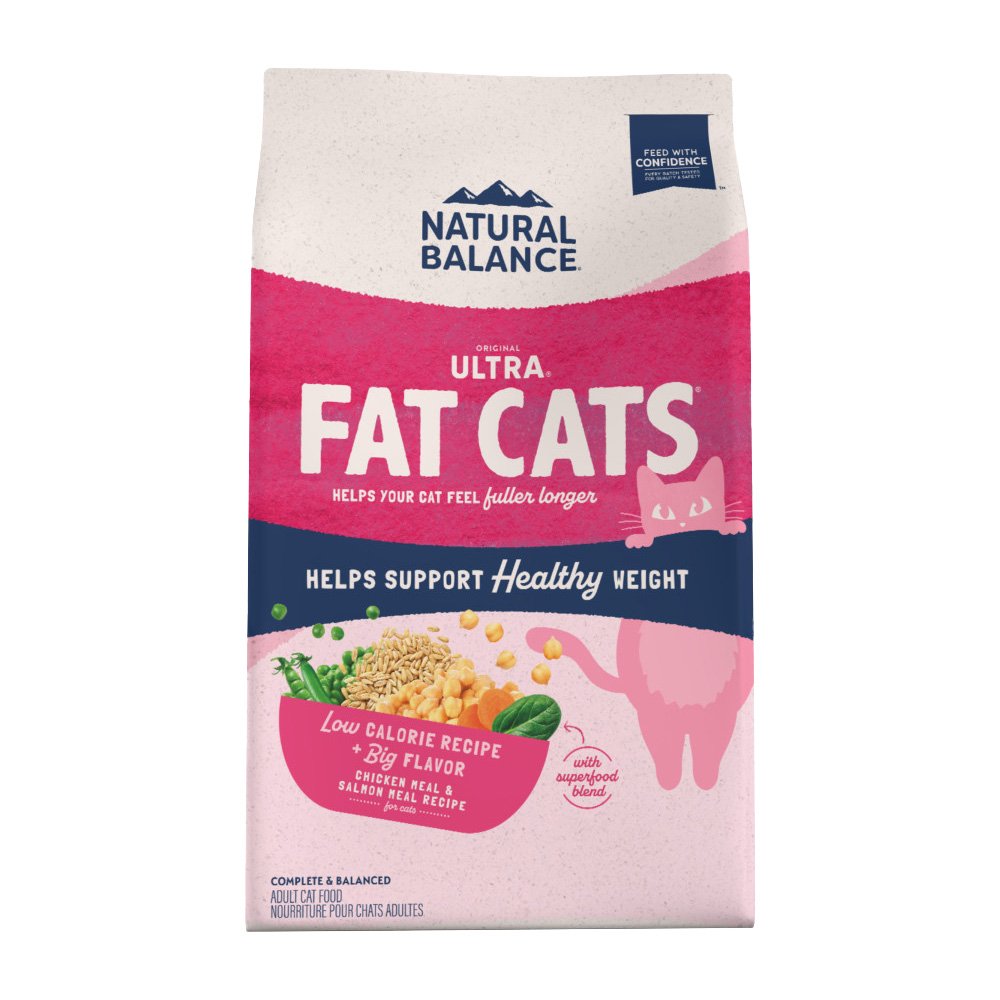
Natural Balance Pet Foods Original Ultra Fat Cats Dry Cat Food Chicken Meal & Salmon Meal 6-lb
How Much Dry Food to Feed a Kitten?
Kittens are tiny chaos machines, so they need food that packs a punch. A kitten feeding chart can help you understand the appropriate amount and frequency based on your kitten’s age and needs. Make sure to stick to the guidelines on the bag (no shame reading the fine print), and feed them a little more often.
Try the IAMS Proactive Health Dry Cat Food for Kitten Chicken for best results.

IAMS Proactive Health Kitten Dry Cat Food Chicken 7-lb
Dry Food Portions for Senior Cats
Old cats? They’re usually not as active, plus some have teeth issues or creaky joints. Go for easy-to-chew, lower-calorie options with some joint support thrown in if you can find it.
The IAMS Proactive Health Healthy Senior Dry Cat Food With Chicken helps promote optimal health and nourishes strong bones and joints.

IAMS Proactive Health Senior Dry Cat Food Chicken 7-lb
How Often Should You Feed Dry Food to a Cat?
Feeding frequency depends on your cat’s number of years and medical status:
For Kittens (under 1 year):
-
Feed 3 to 4 small meals daily. They burn through calories like toddlers on a sugar high.
For Adult Cats (1–7 years):
-
Feed twice a day. This keeps them from inhaling everything at once and then complaining they’re bored.
For Senior Cats (7+ years):
- Also, twice daily, or whatever your vet recommends. Watch for weight and teeth issues.
If you split their daily ration up, you’ll help prevent scarf-and-barf incidents.
Common Mistakes to Avoid When Feeding Dry Food
Even the best cat parents can slip up on how much dry food to feed a cat daily! Here's what to watch out for:
1. Free-Feeding Without Limits
Leaving dry food out all day in their food bowl can give you a chubby kitty. Try to fix a schedule for your little furball. This assures your pet gets what their tummy actually needs.
2. Ignoring the Feeding Instructions
Dry food is calorie-dense. Always roll your eyeballs properly through the label to know the exact proportions. Have a chat with your vet if needed.
3. Using the Wrong Measuring Tools
Eyeballing is not always accurate! Use a proper measuring cup so that you do not feed your pet improper quantities of food.
4. Feeding Based on Begging
Do not get influenced by their acting skill. Just because they meow doesn't mean they’re hungry.
5. Not Providing Water
One of the key facts that you must know is that dry food contains no moisture. Make sure you keep their water bowl within their reach so that their moisture level does not degrade.
Monitoring Your Cat’s Weight and Adjusting the Diet
Your cat’s ideal weight isn’t just about a number, it’s about how they look and feel.
Regular weight checks can help ensure your pet is receiving the best diet for cats and the appropriate amount of food for their age and activity level.
Check the Body Condition:
Use the Body Condition Score (BCS) system. Here's a simplified version:
| BCS Score | Description | Action |
| 1–3 | Too thin | Increase food, vet check |
| 4–5 | Ideal | Maintain current routine |
| 6–9 | Overweight/Obese | Reduce food, increase play |
Here’s a quick trick: Run your hands over their ribs like you’re checking for secret snacks. If you can’t feel your ribs without digging, time to rethink dinner portions.
Adjust Gradually:
- Go Slow With Food Changes. Reduce or increase food by 10% at a time
- Give it a couple weeks (2–4, if you like numbers) and peek at their progress.
- And if you’re just confused or your cat’s acting weird, yeah, hit up your vet.
Health Risks From Feeding Errors
- Obesity: Linked to diabetes, joint strain, and a shorter lifespan.
- Dehydration: Dry food is only about 10% moisture, so cats eating dry-only diets need constant access to fresh water.
- Urinary issues: Low water intake is tied to urinary crystals and blockages, which show up more often in male cats and can turn into an emergency fast.
When to Call Your Vet
A few situations call for a vet check rather than a portion adjustment on your own: your cat refuses food for more than 24 hours (cats can develop a serious liver condition called hepatic lipidosis surprisingly fast), they're pregnant or nursing and need more calories, or they have a diagnosed condition like diabetes, kidney disease, or a urinary issue that changes their nutrition needs.
Conclusion
Figuring out how much dry food to feed a cat isn’t rocket science, but it matters. Most people toss out that “quarter to half a cup” rule for adult cats, but let’s be real—cats aren’t robots. Their perfect food scoop depends on stuff like:
- How chunky or skinny they are,
- How old are they
- And whether they’re fully active or just napping 22 hours a day.
By following vet-approved guidelines, using our feeding chart, and staying consistent with meal times, you can help your furball stay healthy. Yeah, routines help, but don’t go nuts with the measuring cup if your cat’s really starving.
If you’re totally lost, just call your vet - they know your cat way better than some random internet chart.
Read more: What is the Best Brand of Cat Food?


