


📌 KWIK SUMMARY
Choosing the best diet for cats can be confusing when store shelves are packed with kibble, canned food, raw diets, and countless nutrition claims. The food your cat eats plays a major role in supporting healthy digestion, maintaining an ideal weight, promoting a shiny coat, and encouraging proper hydration. A healthy cat diet centers on real animal protein, moderate fat, and plenty of moisture, ideally from a combination of wet and dry food tailored to your cat's age and health needs. Knowing what nutrients your cat requires can make it easier to choose foods that support long-term wellness.
Understanding Your Cat's Nutritional Needs
Cats are obligate carnivores, meaning their bodies are built to run on animal protein, not plant matter. Unlike dogs, cats can't efficiently make certain nutrients themselves; they need to get them directly from meat.
Three nutrients matter most:
- Animal protein - Supports muscle, immune function, and energy. Look for chicken, turkey, fish, or beef listed as the first ingredient.
- Taurine - An amino acid found only in animal tissue. A taurine deficiency can affect heart and eye health, which is why cat food (unlike most dog food) is always supplemented with it.
- Moisture - Cats evolved from desert ancestors and often don't drink enough water on their own. Diets with higher moisture content support kidney and urinary health.
One thing many pet parents don't realize: A cat fed only dry kibble may be getting less than half the water intake of a cat on a wet-food diet, even if both bowls look "finished" at the end of the day.
Choosing the Best Diet for Cats
There's no single "best" food brand, but there is a best approach: pick a format that fits your cat's health needs, then choose a quality product within that format.
Wet Food vs. Dry Food

Recommended Products:

Tiki Pets Cat Born Carnivore High Protein Dry Cat Food Deboned Chicken & Egg 2.8-lb
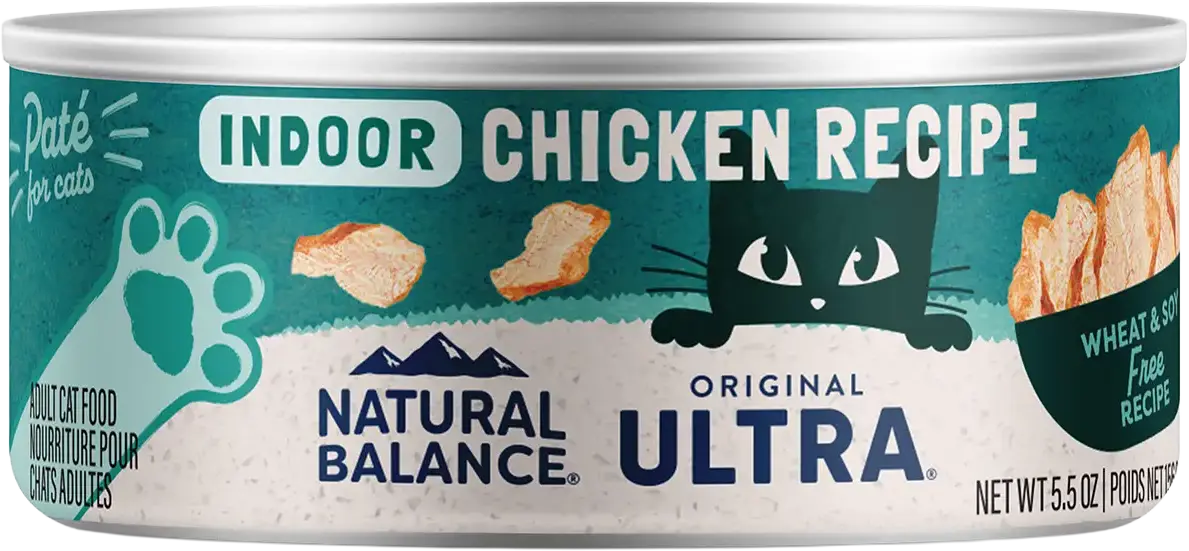
Natural Balance Pet Foods Original Ultra Indoor Canned Cat Food Chicken Formula 5.5-oz
Raw, Homemade, Fresh, and Freeze-Dried Diets
Raw and freeze-dried diets aim to mimic a cat's ancestral diet, using minimally processed meat, organs, and bone. Some pet parents see improvements in coat quality and stool consistency on these diets.
That said, raw diets carry a real risk of bacterial contamination (Salmonella, Listeria) for both cats and humans handling the food. Homemade meals can lack essential nutrients such as taurine, calcium, and certain vitamins if they are not properly balanced. Freeze-dried and gently cooked options offer a middle ground, retaining more nutrients than kibble while reducing handling risks compared to fully raw.
Recommended Products:
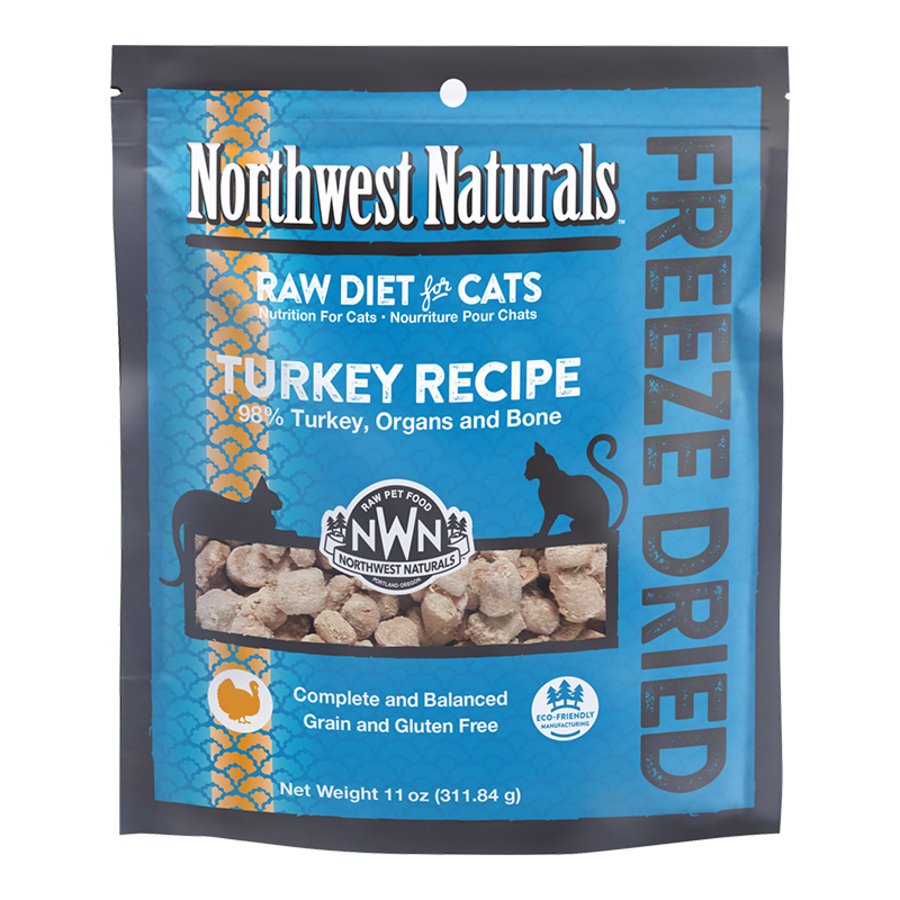
Northwest Naturals Freeze Dried Raw Diet Cat Food Turkey Recipe 11-oz
How to Select the Best Cat Food for Your Cat's Needs?
When comparing bags or cans of the best cat food options, check for:
- A named meat source as the first ingredient (not "meat by-product" or "animal fat").
- An AAFCO statement confirming it's complete and balanced for your cat's life stage.
- Low carbohydrate filler content because cats don't need large amounts of corn, wheat, or soy.
- Calorie content per cup or can, so you can portion accurately.
KWIK TIP: Rotate between two or three trusted proteins (like chicken, turkey, and fish) rather than feeding the same flavor for years. This can reduce the chance of your cat developing a sudden aversion or sensitivity to one protein source.

Feeding Cats Through Every Life Stage
Cat nutrition tips shift significantly as cats age, and feeding a kitten formula to a senior cat (or vice versa) can cause real problems over time.
Kittens
Kittens need diets specifically formulated for growth, with higher protein, fat, and calorie density than adult formulas. Kittens under 12 weeks often benefit from free-feeding due to small stomachs, but kittens 12 weeks to 6 months should eat 3-4 scheduled meals daily to prevent overeating and ensure portion control.
Recommended Products:
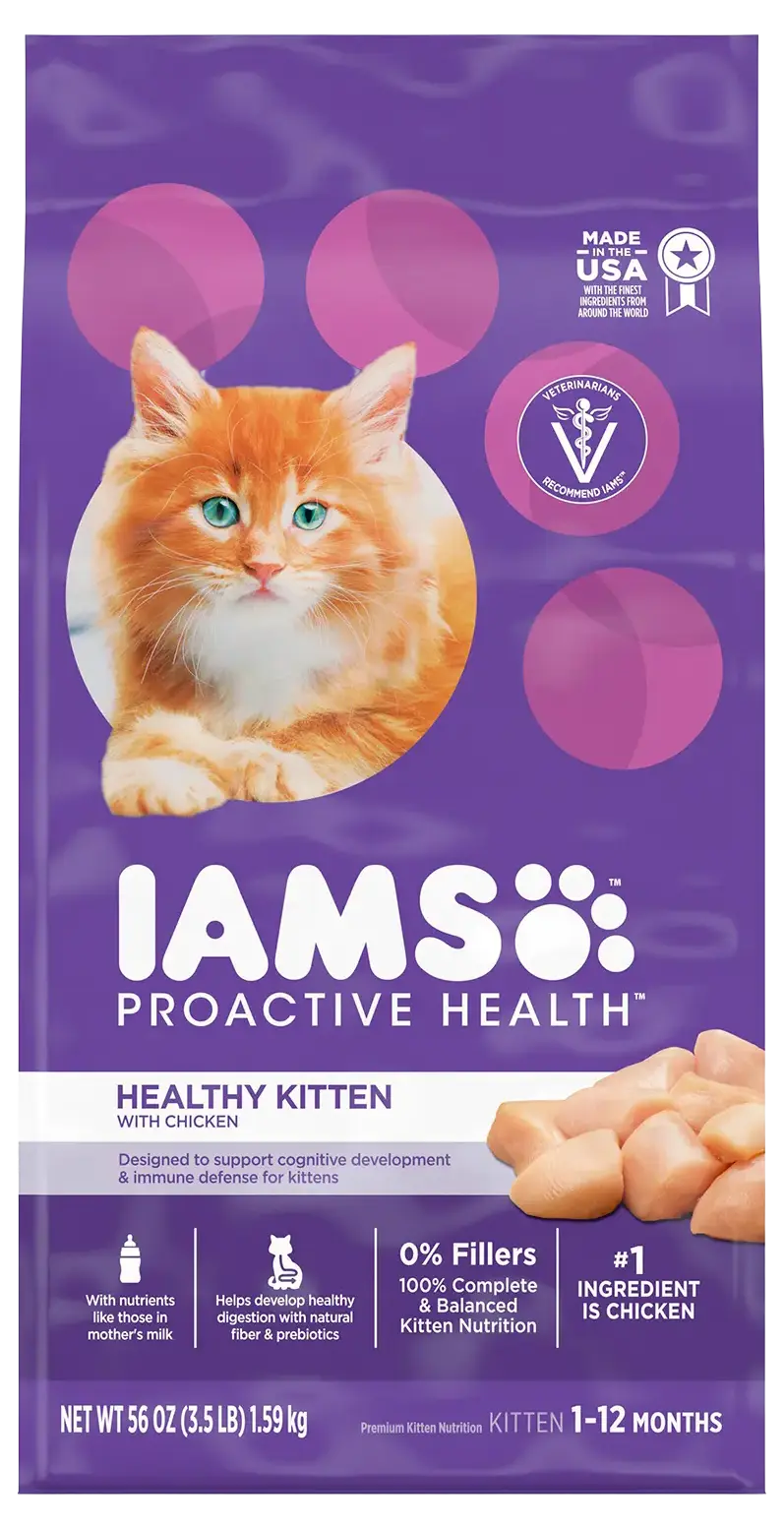
IAMS Proactive Health Kitten Dry Cat Food Chicken 3.5-lb
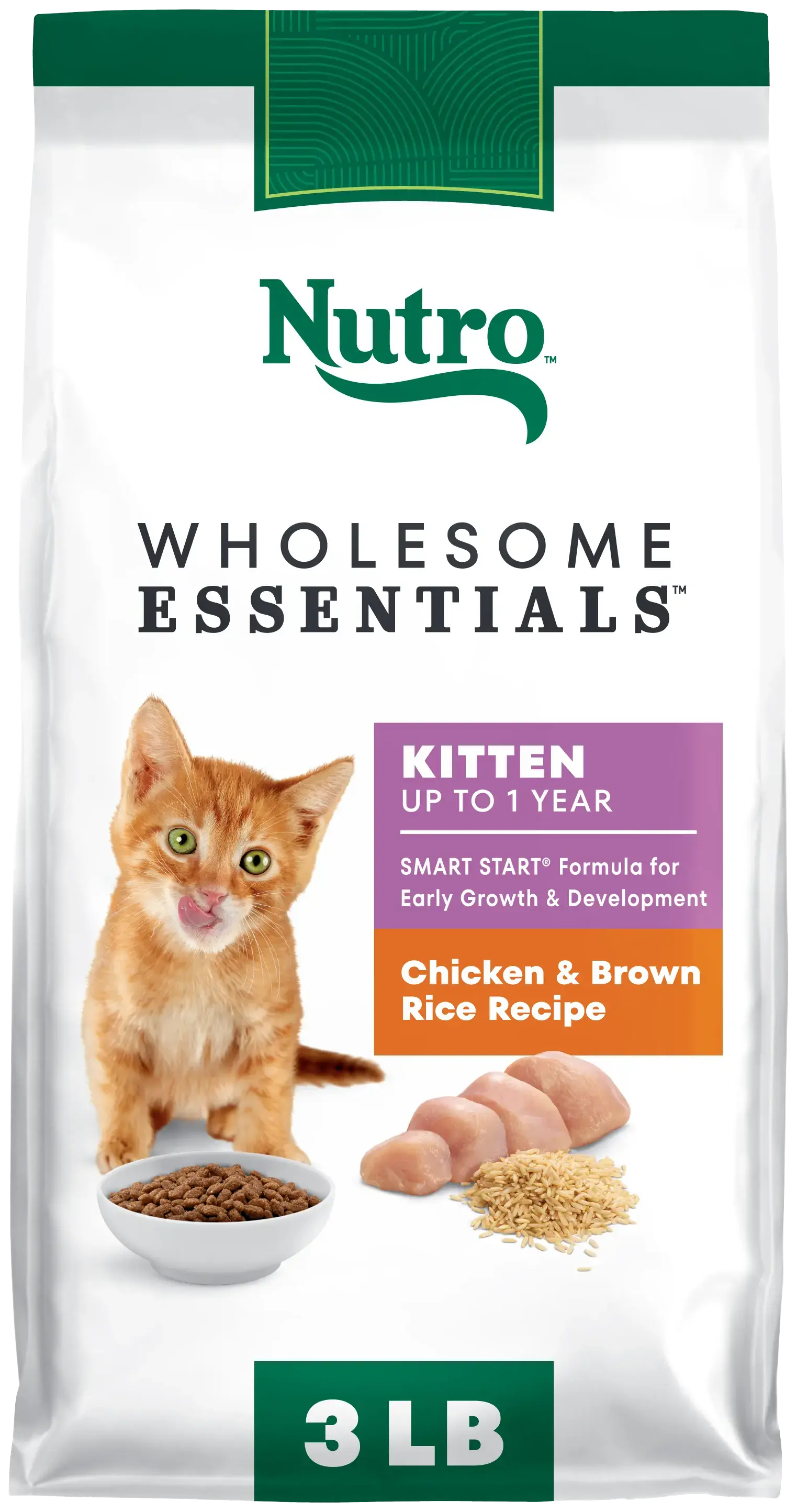
Nutro Wholesome Essentials Chicken & Brown Rice Early Development Kitten Dry Cat Food 3-lb
Adult Cats
Adult cats (roughly 1-7 years) generally do well on maintenance formulas with moderate protein and fat. This is the stage where portion control matters most, since indoor cats are prone to gradual weight gain.
Recommended Products:

AvoDerm Natural Indoor Formula Adult Dry Cat Food 11-lb
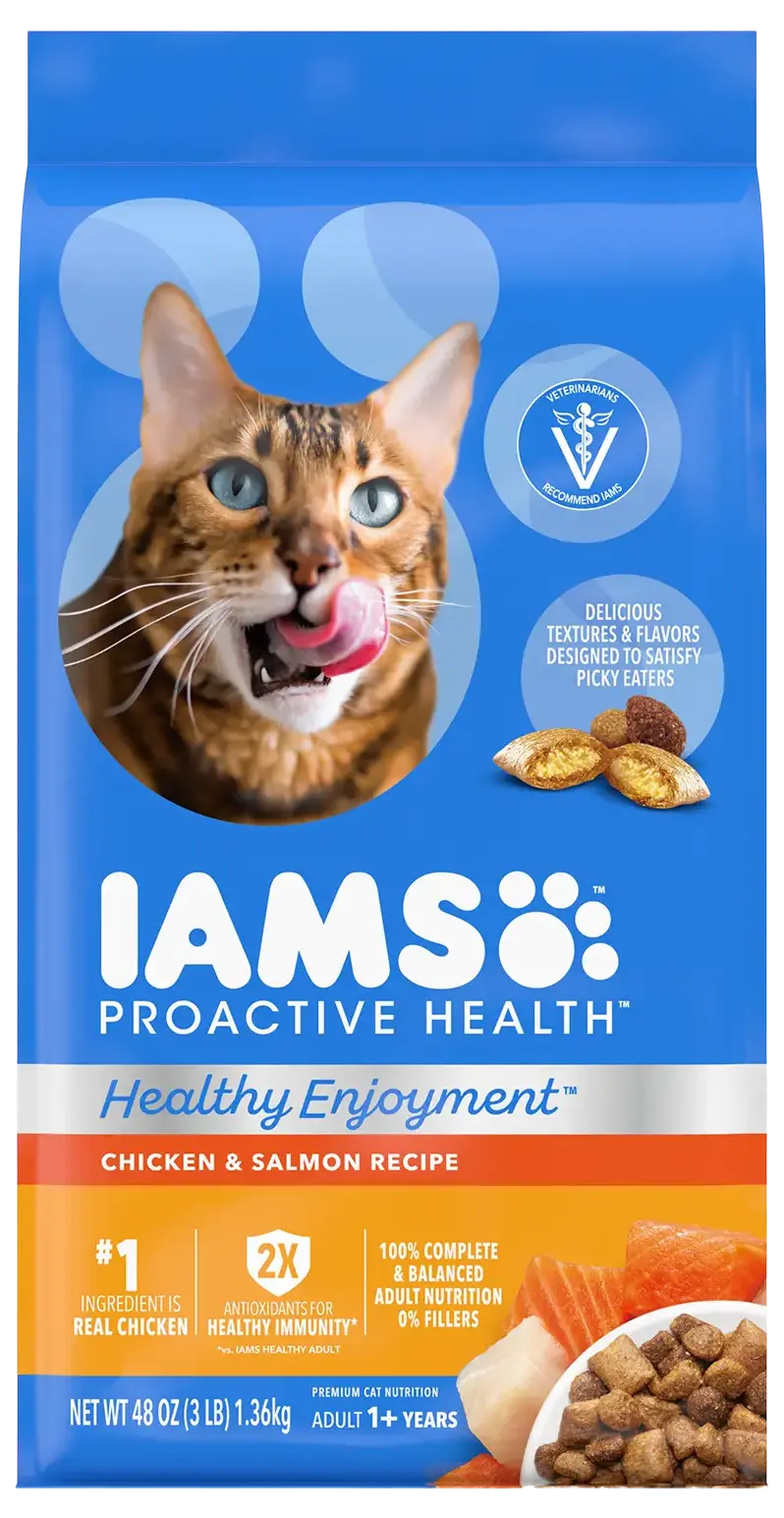
IAMS ProActive Health Healthy Enjoyment Adult Dry Cat Food Chicken & Salmon 3-lb
Senior Cats
Senior cats (around 7+ years) often benefit from food recipes with slightly reduced calories but maintained or increased protein, plus added joint support like glucosamine. Some senior cats develop kidney concerns, where a vet may recommend a lower-phosphorus diet.
Recommended Products:
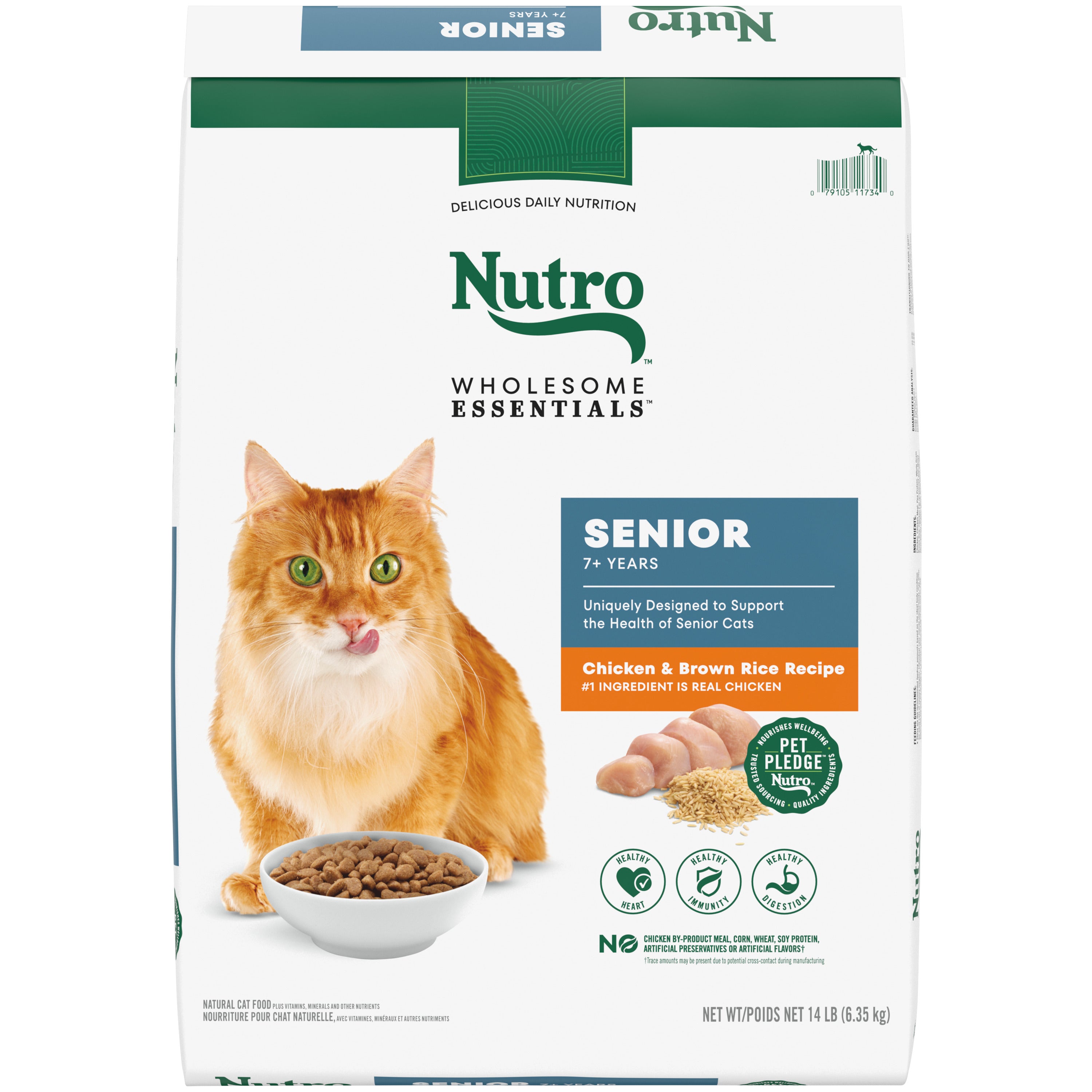
Nutro Wholesome Essentials Chicken & Brown Rice Recipe Senior Dry Cat Food 14-lb
How Much Should You Feed Your Cat?
Feeding guidelines on packaging are a starting point, not a strict rule. They're often based on an "average" cat that may not match yours.
A simple way to check: feel along your cat's ribs. You should be able to feel them easily under a thin layer of fat, without them being visibly sharp. If you can't feel ribs at all, or they're very prominent, it's worth adjusting portions and discussing with your vet.
KWIK TIP: Use a kitchen scale or measuring cup consistently. "Eyeballing" portions is one of the most common reasons indoor cats gradually become overweight.
Smart Feeding Methods for Better Feline Health
- Scheduled meals (2-3 times daily) make it easier to track how much your cat is eating and notice changes in appetite early.
- Puzzle cat feeders & waterers slow down fast eaters and add mental stimulation, especially helpful for indoor-only cats.
- Separate feeding stations in multi-cat homes prevent food guarding and help you monitor each cat's intake individually.
Recommended Products:

Petstages Hound Kitty Slow Feeder Cat Bowl Green Extra Small 6-oz
Healthy Treats and Snacks for Cats
Treats can be a useful tool for bonding, training, or giving medication, but they shouldn't replace balanced nutrition. Cat treats come in many forms, like crunchy snacks, soft chews, freeze-dried meats, and lickable purees. Find a few types your cat likes and rotate them to keep things interesting.
Treat Guidelines
- Treats should make up no more than 10% of daily calories.
- Choose treats with recognizable protein sources rather than long ingredient lists.
- For cats with sensitive stomachs, introduce new treats one at a time so you can spot reactions.
Treat Recommendations:
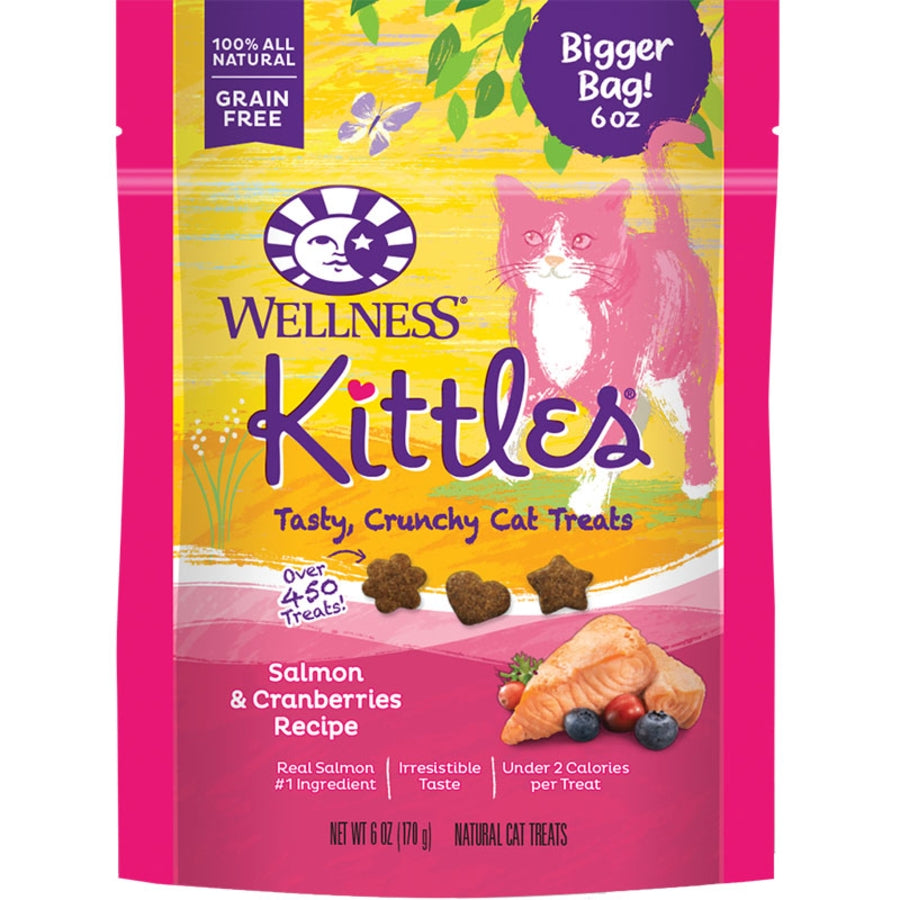
Wellness Kittles Natural Grain-Free Crunchy Cat Treats Salmon & Cranberries Recipe 6-oz

Inaba Puree Churu for Kittens Lickable Cat Treats Chicken 4 Count 2-oz
Signs Your Cat's Diet Is Working
A diet that's working well usually shows up in everyday details:
- Steady, healthy weight with ribs easily felt but not visible.
- Consistent, well-formed stools with no straining.
- A soft, glossy coat without excessive shedding or dandruff.
- Good energy levels and normal appetite from meal to meal.
If you notice the opposite of any of these, especially sudden changes, it's worth a vet visit for feline health rather than just switching foods on your own.
Conclusion
The best diet for cats isn't about chasing the latest trendy formula. It comes down to real animal protein, adequate moisture, and portions matched to your cat's life stage and activity level, with treats kept to a sensible minimum. Whether you lean toward wet cat food, dry cat food, or freeze-dried options, consistency and gradual changes matter more than any single "best" brand.
Ready to upgrade your cat's bowl? Browse our full range of vet-approved cat foods and treats at Kwik Pets to find the right fit for your feline.


