








You're halfway through a walk when your dog spots a squirrel, lunges, and slips straight out of the collar — or you notice rubbing where the strap sits. Moments like these are usually a sign you're using the wrong collar, not that your dog is misbehaving. The good news: once you understand the different types of dog collars and what each one is built for, picking the right one is simple.
This guide walks through 10 types of collars for dogs — from everyday flat collars to training collars and safety options — with the pros, cons, and the kind of dog each suits best. By the end you'll know exactly which collar fits your dog's size, temperament, and walking style.
What Is a Dog Collar and What Does It Do?
A dog collar is a band that fits around your dog's neck, usually made from nylon, leather, or chain. It does three core jobs: it holds ID tags and vaccination info, it gives you a point to attach a leash, and — depending on the style — it can help with training and control.
Different collars solve different problems, which is why Kwik Pets stocks everything from simple buckle collars to specialist training gear across our dog collars, harnesses & leashes range. Here's how the main types compare.

10 Different Types of Dog Collars
1. Flat (Standard) Collars
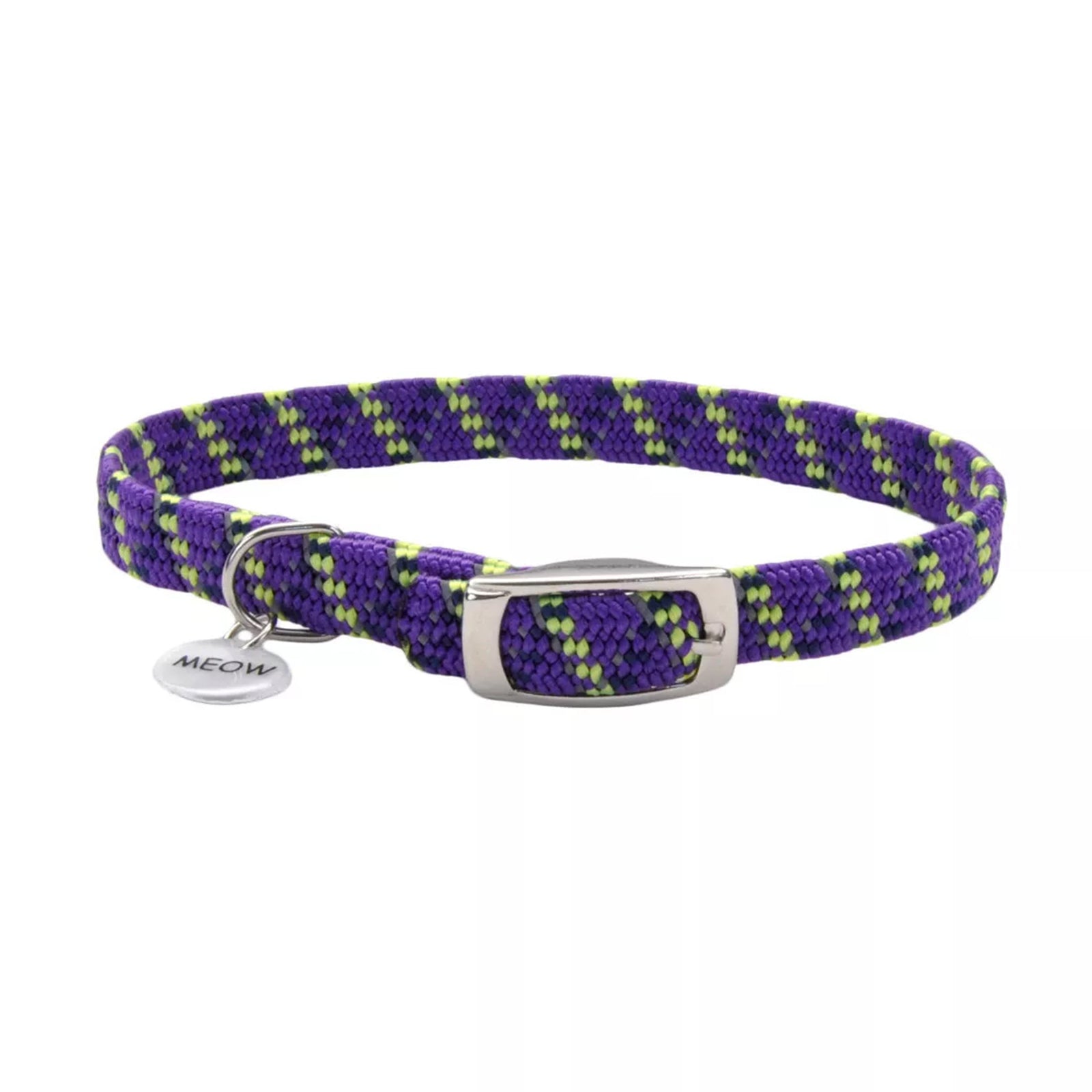
The flat collar is the classic everyday collar — an adjustable nylon or leather band that closes with a buckle or quick-release clip. It's the best choice for well-behaved dogs on casual walks and the natural home for ID tags.
Best for: Everyday wear, ID tags, calm walkers.
Pros
-
Simple, comfortable, and easy to use
-
Holds ID and vaccination tags
-
Available in leather and nylon, in lots of colors
Cons
-
Not ideal for heavy pullers
-
Can slip over the head of narrow-headed breeds
Everyday pick: browse flat, nylon, and leather options in our dog collar collection.
2. Martingale (Limited-Slip) Collars
A martingale has two loops: the main loop sits on the neck, and a smaller control loop gently tightens when your dog pulls — without choking. It's a favorite for sighthounds and any dog that backs out of a standard collar.
Best for: Escape artists, narrow-headed breeds (Greyhounds, Whippets), gentle leash control.
Pros
-
Stops dogs from slipping the collar
-
Gentle, no-choke control
-
Great for breeds with slim heads
Cons
-
Shouldn't be left on unsupervised
-
Not built for heavy, constant pulling
See limited-slip and everyday styles in the dog collar collection.
3. Head Collars / Head Halters
A head collar (or head halter) loops around the muzzle and behind the ears so that when your dog pulls, their head turns gently back toward you. It gives you a lot of control with no pressure on the throat, which makes it popular for training larger or excitable dogs.
Best for: Strong pullers, loose-leash training, distraction-heavy walks.
Pros
-
Excellent control without choking
-
Helps curb pulling and lunging
-
Takes strain off the neck
Cons
-
Most dogs need time to get used to it
-
Requires correct fitting and patient introduction
Find head halters and training options in our dog training collars.
4. Slip & Chain (Choke) Collars
Slip and chain collars tighten as the leash tenses and loosen when it relaxes. They're training tools, not everyday collars, and should only be used briefly and correctly. For most pet parents, a martingale or head halter achieves the same control far more gently.
Best for: Short, supervised training sessions with experienced handlers.
Pros
-
Provides quick correction during training
-
Lightweight and simple
Cons
-
Can injure the neck if used incorrectly
-
Not suitable for everyday wear or inexperienced owners
Browse chain and slip styles in our chain & slip collars.
5. Prong (Pinch) Collars
A prong collar has blunt metal links that apply even pressure around the neck when the leash is tensed. Like chain collars, it's a specialist training tool best used under professional guidance — and only after gentler methods have been tried.
Best for: Strong, hard-to-handle dogs working with a trainer.
Pros
-
Distributes pressure evenly rather than at one point
-
Can help manage powerful pullers during training
Cons
-
Can cause pain or injury if misused
-
Not recommended for beginners; gentler alternatives usually work
Explore sizes and comfort tips in our prong collars for dogs.
6. Dog Harnesses
Technically not a collar, a harness wraps around the chest and torso instead of the neck, spreading pressure across the body. No-pull, front-clip designs are the safest option for pullers, flat-faced breeds, and dogs with airway or neck concerns.
Best for: Pullers, small or brachycephalic breeds, dogs with neck or throat issues.
Pros
-
Takes pressure off the throat and neck
-
Better control of strong pullers
-
Good for dogs with medical conditions
Cons
-
Some dogs need time to adjust
-
Less convenient than a quick buckle collar
Shop no-pull and everyday designs across our dog harnesses, collars & leashes.
7. Flea & Tick Collars
A flea and tick collar releases active ingredients that spread across your dog's skin and coat, repelling and killing parasites — often for months at a time. It's a low-effort layer of protection that works well alongside regular grooming.
Best for: Year-round parasite prevention, dogs that spend time outdoors.
Pros
-
Long-lasting flea and tick protection
-
Low-maintenance once fitted
Cons
-
Some dogs may react to the active ingredients
-
Effectiveness varies by brand — check the age guidance
Protect your pup — shop flea & tick collars for dogs.
8. Reflective & LED Safety Collars
Reflective collars use light-catching materials (and LED versions add their own glow) so your dog stays visible in low light. If you walk early, late, or in winter, this is a simple safety upgrade that helps drivers and other walkers spot your dog.
Best for: Early-morning and evening walks, low-visibility conditions.
Pros
-
Dramatically improves visibility at night
-
Adds safety with no change to your routine
Cons
-
Less necessary for daytime-only walkers
Look for reflective styles in our dog collar collection.
9. GPS / Smart Collars
GPS and smart collars use satellite tracking to show your dog's real-time location, and some add activity or health monitoring. They're best thought of as a tech add-on worn alongside a regular collar rather than a replacement for one.
Best for: Tracking dogs that roam, peace of mind for escape-prone pups.
Pros
-
Real-time location tracking
-
Reassurance if your dog gets loose
Cons
-
More expensive than standard collars
-
Needs regular charging
Note: a GPS collar is worn in addition to an everyday ID collar — start with a comfortable flat collar from our dog collar range and add tracking on top if you need it.
10. Recovery Collars (Cones / E-Collars)
A recovery collar — the classic cone, plus softer fabric and inflatable versions — stops your dog from licking or biting at stitches, wounds, or hot spots while they heal. It's a short-term medical aid your vet will often recommend after surgery.
Best for: Post-surgery recovery, healing wounds, skin treatments.
Pros
-
Protects wounds and stitches
-
Soft and inflatable options are more comfortable than hard cones
Cons
-
Only for short-term, supervised use
-
Some dogs find hard cones disorienting at first
Find recovery and everyday options in our dog collar collection.
A note for multi-pet homes: breakaway (quick-release) collars that snap open under pressure are mainly a cat safety feature. If you have cats too, see our cat collars, harnesses & leashes range.
How to Choose the Right Dog Collar
Start with one question: do you need everyday control or help with a specific behavior? Calm dogs do beautifully on a flat collar. Dogs that pull or slip out need a martingale, head halter, or no-pull harness. Specialist training collars should be a last step, ideally with a trainer's help.
Collar or harness? If your dog pulls hard, is a small or flat-faced breed, or has any neck or breathing issue, a harness is the safer everyday choice. For tag-wearing and quick, relaxed walks, a collar is perfect — many pet parents use both.
|
Collar type |
Best for |
Control |
Everyday or training |
Caution |
|---|---|---|---|---|
|
Flat / Standard |
Calm walkers, ID tags |
Low |
Everyday |
Can slip narrow heads |
|
Martingale |
Escape artists |
Medium |
Everyday |
Supervise use |
|
Head halter |
Strong pullers |
High |
Training |
Needs acclimation |
|
Slip / Chain |
Trainer-led work |
High |
Training only |
Misuse risks injury |
|
Prong |
Powerful pullers |
High |
Training only |
Use with a pro |
|
Harness |
Pullers, small breeds |
Medium–High |
Everyday |
Pick the right fit |
Still weighing it up? Browse the full dog collars, harnesses & leashes range — free shipping over $49.
How to Measure Your Dog for a Collar
-
Wrap a soft tape measure around the middle of your dog's neck, where the collar will sit.
-
Add about two finger-widths for comfort.
-
Check the fit: you should be able to slide two fingers between the collar and your dog's neck — snug, not tight.
For growing puppies, recheck the fit every couple of weeks and choose an adjustable collar so it keeps up with them.
Final Thoughts
Choosing among the different types of dog collars comes down to your dog's size, temperament, and how you walk together. Match the collar to the need — flat for everyday, martingale or harness for pullers, specialist collars only with care — and pair it with good dog grooming supplies to keep your pup comfortable and healthy.

