


📌 KWIK SUMMARY
The best kidney care cat food typically contains reduced phosphorus, controlled high-quality protein, increased moisture, and omega-3 fatty acids. These nutrients help support kidney function, maintain hydration, and slow the progression of chronic kidney disease (CKD) when recommended by a veterinarian.
Chronic Kidney Disease (CKD): Are you also stressed about this problem for your feline?. Studies say that it affects up to 40% of cats over 10 years old. The risk increases with age. Up to 80% of cats over 15 years old may develop CKD.
We bet you also spend hours and days online guessing which product in the world of kidney care cat food will be the best? Getting confused about which product to spend your money on is possible, especially when every cat food review seems to promise something different.
Read through the blog to discover what will work for your furball. It’s your pet, and only you know how important it is for them to bounce back with all the energy.
Understanding Chronic Kidney Disease (CKD) in Cats
CKD happens when a cat's kidneys gradually lose their ability to filter waste from the bloodstream. Unlike acute kidney injury, which comes on suddenly, CKD develops slowly, often over months or years, which is why so many cases go unnoticed until the disease has already progressed.
The kidneys are responsible for a lot more than just filtering waste. They regulate hydration, balance electrolytes, control blood pressure, and help produce red blood cells. When kidney function declines, all of these systems can be thrown off balance, which is why CKD often comes with a ripple effect of other health issues.
There's no cure for CKD, but with the right nutrition, hydration support, and veterinary care, many cats live comfortably for years after diagnosis.
Signs Your Cat May Have Kidney Disease
CKD symptoms tend to be subtle at first, which is part of why regular vet checkups matter so much for senior cats. Keep an eye out for:
- Increased thirst and urination - often one of the earliest and most noticeable signs.
- Weight loss, even when appetite seems normal.
- Reduced appetite or becoming a picky eater.
- Vomiting, particularly in the morning or after meals.
- Lethargy or a noticeable drop in energy and playfulness.
- Poor coat quality, including dullness or excessive shedding.
- Bad breath with an ammonia-like odor.
- Litter box changes, such as larger or more frequent clumps.
Top 10 Kidney Care Cat Foods
1. Natural Balance L.I.D. Green Pea & Salmon Dry Cat Food

Natural Balance Pet Foods Limited Ingredient Grain Free Dry Cat Food Green Pea & Salmon 10-lb
Made with green peas and salmon—simple, clean, nothing too weird. This stuff’s a lifesaver if your cat’s got a sensitive stomach or some mysterious allergy. Bonus points for helping out their gut, and honestly, they seem to feel better all-around.
Why it works:
- This limited-ingredient diet has an infusion of green peas and salmon as the key ingredients.
- It gives your furball a balanced and nutritious meal. So, no more stress about nutrition.
- For cats with food sensitivities or allergies, this formula is a must-have.
- One of the cat premium products that gives your pet good gut health and overall well-being.
Best for: Cats with food sensitivities. Also, for those cats whose body requires a limited ingredient diet.
2. AvoDerm Natural Chicken & Herring Meal Formula

AvoDerm Natural Chicken & Herring Meal Formula Adult Dry Cat Food 3.5-lb
This one’s like the Whole Foods of cat chow. No fake colors or flavors, just chicken, herring, and a bunch of natural stuff. Supposed to make their fur look like they just came from a spa. Your cat might not care, but you will when you’re vacuuming less hair off your couch.
Why it works:
- Made with all-natural ingredients
- No nutrient deficiency anymore.
- Keep your cat’s external layer glowing
- The formula has a zero percentage of yucky flavors and fake colors.
Best for: Adult cats.
3. Sheba Perfect Portions Pate Wet Cat Food Savory Chicken
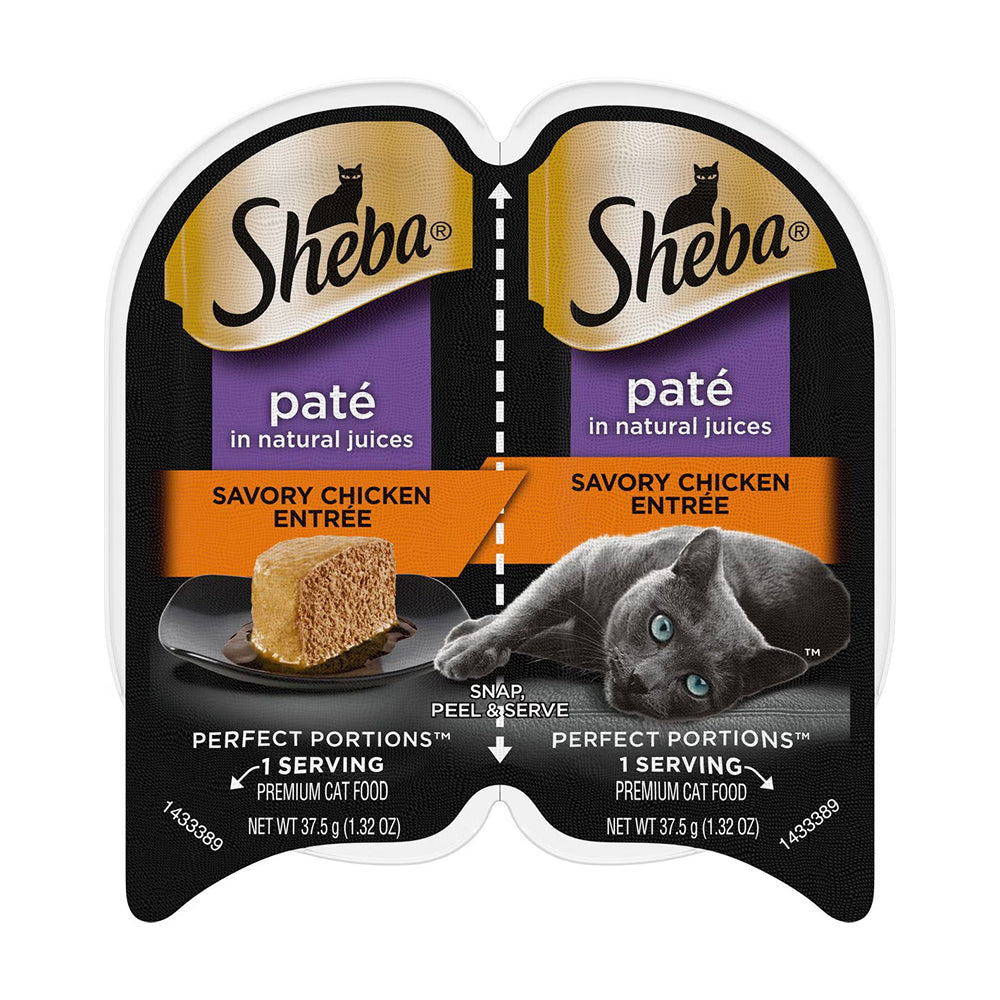
Sheba Perfect Portions Pate Wet Cat Food Savory Chicken 2.6-oz
Sheba’s the go-to if your cat’s got a taste for the finer things. Smooth as butter and packed with chicken. And, bonus—those little trays mean you won’t have to deal with that crusty, half-eaten can in your fridge
Why it works:
- Best wet cat food that is delightfully flavorful
- Has a light and delectable texture that cats can’t say no to.
Best For: No particular classification. From Kitten to Mature Senior Cat, all can have it.
4. Grizzly Algal Oil Plus Food Supplement

Grizzly Wild Alaskan Salmon Oil Plus Food Supplement for Dogs & Cats 32-oz
So you want shiny fur but without the fish funk? This is the answer. It’s basically plant-based omega magic for cats (and dogs, actually).
Why it works:
- A top-class, plant-based omega supplement.
- Puts a cross mark on fishy odor.
- Give your furball Omega fats.
Best For: Both dogs and cats of all life stages
5. Lucy Pet Products Formulas for Life Dry Cat Food

Lucy Pet Products Formulas for Life Dry Cat Food Chicken Brown Rice & Pumpkin 4-lb
Salmon’s front and center here, not just some afterthought. Supposedly helps your cat’s immune system, which is nice if you’re into that whole “living forever” thing. Fits any age, so you don’t have to stress about switching foods all the time.
Why it Works:
- Best dry cat food made With Real Salmon as the first ingredient
- Ticks all the boxes to provide a good immune system.
Best For: Every stage of a cat’s life.
6. Weruva Wx Phos Focused Kidney Support

Weruva Wx Phos Focused Wet Cat Food Chicken Formula in Gravy 3-oz
This one’s for the “my cat barely drinks water” crowd. Loads of moisture, low phosphorus, and high-quality meat—so it’s not just watery slop. If you’re worried about kidneys and dehydration, this is pretty much a lifehack.
Why it works:
- Moisture Rich
- Low phosphorus
- High-quality meat
- Encourages hydration
Best for: Cats needing a wet texture to stay hydrated.
How Much Cats Eat Per Day? Here’s What You Need to Know
One question will surely keep buzzing in your mind: "How much do cats eat per day?". Therefore, we have accumulated some information from the trusted sources:
Based on Trusted Guidelines
-
The Association of American Feed Control Officials (AAFCO) sets the basic nutritional standards your cats need
-
The Feline Nutrition Expert (FNE) Subcommittee is in charge of creating these degrees.
-
Pet food manufacturers use these guidelines to make cat food top-class.
Read the Food Label
-
Always have a look at the nutrition label on cat food packaging.
-
Labels must include key nutritional info like
- Protein
- Fat
- Fiber
-
Calorie content.
-
This labeling is regulated by both AAFCO and the U.S. Food and Drug Administration (FDA).
-
Put your attention towards the AAFCO nutritional adequacy statement. This means the food meets the checklist of basic health standards.
Life Stages Matter
-
The need for different nutrients is not the same for all chapters of a cat’s life.
-
Small cats, i.e, kittens, need more calories and protein. This is due to their growing stage.
-
Adult cats have a requirement for balanced maintenance diets.
-
Pregnant or nursing cats’ bodies demand high-protein food.
- Cats with health conditions like CKD (chronic kidney disease) need a different sort of diet from normal food.
Key Nutrients in Kidney Cat Food

We will talk about the products that can help your furball later. Let’s check out what actually goes into the best cat food for kidney disease.
For cats with CKD, the best diet for cats is one that supports kidney function while providing balanced nutrition and hydration.
A specific diet to ease the pressure on their kidneys is most important. Here are the nutritional superheroes:
-
Low Phosphorus: A lot of phosphorus speeds up kidney damage.
-
Moderate to Low Protein: High protein = high waste = kidney overload.
-
Omega-3 Fatty Acids: Help lessen kidney inflammation.
-
High Moisture Content: Keeps your furball full of hydration.
-
Potassium & B-Vitamins: Compensate for what gets lost in urine.
- Sodium Reduction: Eases blood pressure stress on the kidneys.
Why Low Phosphorus Cat Food Matters?
Phosphorus is one of the biggest dietary factors in how quickly CKD progresses. Healthy kidneys filter excess phosphorus out of the blood easily, but as kidney function declines, phosphorus starts to build up in the bloodstream instead. This buildup, called hyperphosphatemia, doesn't just sit there quietly. It actively accelerates damage to the remaining healthy kidney tissue, creating a cycle where declining kidney function leads to more phosphorus buildup, which leads to further decline.
Studies in veterinary medicine have consistently shown that cats on phosphorus-restricted diets tend to have slower disease progression and longer survival times compared to cats on regular diets.
Wet vs. Dry Food for Kidney Disease
If you’re torn between wet and dry food for your CKD cat, this table will surely help to make a decision:
| Aspect | Wet Food (Canned/Pouch) | Dry Food (Kibble) |
| Moisture Content |
High moisture (70–80%) Helps support hydration and kidney function |
Low moisture (around 10%) May lead to dehydration if water intake is poor |
| Texture |
Soft, easy to chew Ideal for senior cats or those with gum problems |
Crunchy May be difficult for senior cats or those with sore gums |
| Palatability |
Often more flavorful and aromatic Encourages picky eaters |
May be less appealing to cats with reduced appetite |
| Feeding Method |
Must be served fresh Cannot be left out too long |
Can easily be put out throughout the day |
| Shelf Life (Once Opened) |
Short – usually needs refrigeration Use within 1–2 days |
Long – stays fresh in airtight container for weeks |
| Cost | Typically more expensive per meal | Usually more budget-friendly |
| Mess Factor |
Can be messy Requires cleaning bowls more often |
Cleaner and easier to manage |
| Medication |
Easier to mix in supplements or hide pills |
Harder to disguise medicine |
| Hydration Support |
Helps prevent further kidney strain |
Offers little hydration |
| Veterinary Recommendation for CKD |
Highly recommended for most kidney care diets |
Recommended only if the cat refuses wet food |
Benefits of Wet Food
For most cats with CKD, wet food is the clear frontrunner, and hydration is the biggest reason why. Cats naturally have a low thirst drive descended from desert animals, they're wired to get most of their moisture from food rather than drinking water. Wet food's high moisture content directly supports kidney function by keeping blood flow to the kidneys steady and helping flush out toxins more efficiently. Maintaining proper nutrition and hydration is especially important for aging cats that may be managing multiple conditions, including CKD and dementia in cats.
When Dry Food Makes Sense?
Dry food isn't off the table entirely; it just needs a bit more strategy behind it. Some cats are simply set in their ways and refuse to eat wet food no matter how it's presented, and forcing a diet change can lead to them eating less overall, which is worse for a CKD cat than staying on dry food.
If your cat insists on kibble, look specifically for a prescription or veterinarian-formulated dry kidney diet rather than regular dry food, since it will still have the low-phosphorus, controlled-protein profile your cat needs.
Final Scoop
Looking out for a cat with kidney issues isn’t like taking care of a normal cat. However, it’s absolutely doable. You just need to have the right food, love, and strategy. The above list of best cat food for kidney disease might be of absolute help.
Remember to:
- Have a look at how much cats eat per day.
- Administer their diet with your vet regularly.
- Include balanced options like adult dry cat food when appropriate
- Treat your cat like your own family member.
That’s it! Now your cat’s purring comeback story might be just one meal away.


