


📌 What to Do When Cat Has Fleas?
The most effective natural method to remove fleas from a cat is regular flea-comb grooming with warm, soapy water, combined with thorough cleaning of bedding, carpets, and furniture. For ongoing control, use a cat-specific flea treatment or preventive product and treat all pets in the household. Avoid essential oils and dog flea products, as they can be toxic to cats.
If your cat is constantly scratching and you've spotted tiny black specks in their fur, this guide covers exactly how to get rid of fleas on cats, from a fast-acting natural cat flea remedy you can mix from your kitchen, to the safest home remedies for fleas on cats when bathing isn't an option. Each cat fleas cure method below is rated for severity, safety, and how quickly it works.
Now the question is, ‘What to do when cat has fleas?’. Here’s the silver lining—fighting fleas isn’t impossible. You just need a battle plan. Therefore, we’ll break it down for you:
- Some solid home remedies
- Best flea treatment for cats
- A few ninja-level prevention hacks
- And some products that will save your cat’s fur
Understanding Fleas: Why Cats Get Them
Fleas on cats are one of the most common parasitic problems pet parents face, especially in warm or humid environments where these pests multiply quickly. Fleas are small, wingless insects. They feed on your cat’s blood. They love warm, muggy spots, and once a lady flea moves in, she can crank out hundreds of eggs. That’s why you blink and suddenly, it’s a full-blown infestation.
How do you know your cat’s got ‘em? Here’s what to watch for when looking at fleas on cats symptoms:
How do you know your cat’s got ‘em? Here’s what to watch for:
- Going crazy scratching, licking, or biting herself like she’s got an itch that just won’t quit
- Weird bald spots—tail, neck, belly…basically the usual flea hangouts
- Tiny red bumps or scabby bits
- Weird black specks in the fur (that’s flea poop, sorry)
How to Tell if Your Cat Has Fleas?
Not every itchy cat has fleas, but there are several signs that strongly suggest an infestation. The sooner you identify them, the easier they are to eliminate.
- Excessive scratching around the neck, ears, or back.
- Overgrooming or constant licking of certain areas.
- Hair loss caused by repeated scratching or chewing.
- Flea dirt, which looks like tiny black pepper-like specks in the fur.
- Tiny jumping insects moving through your cat's coat.
- Skin irritation, including redness, scabs, or small bumps.
A flea comb is one of the easiest ways to confirm whether fleas are present. If you're wondering how to know if your cat has fleas or how to know if a cat has fleas, checking the coat with a flea comb can help you spot flea dirt or live fleas.
Immediate Steps: What to Do When Cat Has Fleas
When you notice fleas, acting quickly is crucial. Here’s a step-by-step approach for cat flea treatment and how to get rid of fleas on cats at home:
-
Isolate your cat – First, quarantine the poor thing—don’t let them mix with the rest of your pet circus.
-
Check all pets – Then, check everyone else. If you’ve got multiple pets, you better believe those fleas are working overtime.
- Clean the environment – Next, start cleaning, wash all the bedding, vacuum every inch, and blast those carpets with hot water. Soft surfaces, too. Fleas love a cozy spot.
- Groom your cat – Grab a flea comb. It’s tedious, but oh-so-satisfying when you see those little pests caught in the teeth of the comb.
Here’s a quick table summarizing immediate actions:
| Action | Why it Helps |
| Isolation | Prevents spreading fleas |
| Grooming with flea comb | Removes adult fleas & eggs |
| Cleaning bedding & carpets | Kills eggs & larvae |
| Vacuuming | Reduces flea population in home |
Complete Cat Fleas Cure Guide: Choosing the Right Method ✅
Effective flea treatment requires understanding both immediate relief and long-term prevention strategies. When asking what kills fleas on cats, focus on cat-specific treatments that are labeled for flea control rather than household or dog products. The right flea treatment can eliminate infestations within days when applied correctly. Professional flea treatment options range from natural cat flea remedy to prescription medications, each offering different benefits for your cat's specific needs. Choosing the appropriate flea treatment method depends on the severity of infestation and your cat's health status.
Flea treatment success depends on matching the treatment type to your cat's situation and infestation severity:
Immediate Flea Treatment Options:
-
Emergency flea treatment: Flea baths and combing for instant relief
-
Fast-acting flea treatment: Spot-on applications within 24 hours
-
Comprehensive flea treatment: Combined home and cat treatment approach
Long-term Flea Treatment Strategies:
-
Preventive flea treatment: Monthly applications and environmental control
-
Seasonal flea treatment: Adjusting protection based on flea activity periods
-
Multi-pet flea treatment: Coordinated treatment for all household animals
The most effective flea treatment combines multiple approaches for both immediate relief and future prevention. A natural flea treatment for cats can be considered as part of a broader flea-control plan.
Flea Life Cycle
Many pet parents think the problem is solved once the adult fleas disappear. Unfortunately, adult fleas make up only a small portion of an infestation.
The flea life cycle includes four stages:
- Egg - Adult fleas lay eggs that fall into carpets, bedding, and furniture.
- Larva - The larvae hide in dark places and feed on organic debris.
- Pupa - Inside a protective cocoon, fleas can remain dormant for weeks.
- Adult - Adult fleas emerge when they detect warmth, movement, or carbon dioxide from nearby pets.
Because new fleas continue hatching after treatment, it's important to keep treating both your cat and your home for several weeks.
Why Fleas Keep Coming Back?
Even after successful treatment, fleas can seem to return. In most cases, they're not new fleas; they're newly hatched fleas from eggs that were already hiding in your home.
Common reasons include:
- Flea eggs surviving in carpets and furniture.
- Only treating the cat but not the home.
- Missing treatment doses.
- Untreated pets in the household.
- Outdoor exposure where fleas are common.
Consistent treatment and regular cleaning are the best ways to completely break the flea life cycle. This is also an important part of flea prevention for cats.
Natural Ways: How to Get Rid of Fleas on Cats Naturally
For cat owners who prefer natural methods, there are several natural remedies for fleas on cats. Always check with your vet before trying new remedies, especially if your cat has health issues.
1. Flea Comb and Warm Water
First up comes the trusty flea comb. It’s not glamorous, but it works. Comb, dip in warm soapy water, repeat. This is also useful when learning how to get rid of fleas on cats without bathing.
2. Apple Cider Vinegar Spray
Mix equal parts apple cider vinegar and water in a spray bottle. Lightly mist your cat’s fur (avoiding eyes, nose, and mouth). This helps repel fleas naturally and may be considered a natural flea repellent for cats.
3. Lemon Flea Spray
Slice a lemon, soak it overnight in hot water, strain, and lightly spritz the cat. Citrus oil is a natural flea killer for cats and freaks fleas out.
What Not to Use on Cats for Fleas?
Skip essential oils, dog flea products, and unlabeled "natural" sprays, as all three are common causes of cat flea-treatment poisoning.
- Essential oils (tea tree, eucalyptus, citrus, pennyroyal): Cats can't metabolize them; even small amounts can cause drooling or tremors.
- Dog flea/tick products: Often contain permethrin, toxic to cats even in trace amounts.
- Anything not labeled for cats: Dosing and ingredients differ by species.
Flea Shampoo for Cats: Quick Relief
Sometimes those DIY tricks just don’t cut it, and you need other remedies. Flea shampoo for cats give instant results. These shampoos wipe out fleas on the spot and calm down all that itchy, irritated skin. Most parents' go-to when things get wild:
-
Zodiac Flea & Tick Shampoo for Dogs & Cats – gentle formula for immediate flea relief.
Why Pet Parents Choose This:
-
Gentle, alcohol-free formula.
-
Soothes and nourishes skin.
-
Safe for both dogs and cats.
- Long-lasting 4-week protection.
How to use flea shampoo:
- Soak your cat in warm water. Brace yourself because there will be drama, no doubt.
- Squeeze out some shampoo. Massage it in like you’re giving your furball a spa day.
- Let it sit for 5 to 10 minutes. Yes, you have to hold them. Good luck.
- Rinse like crazy. Get every bit out, or you’ll have a soapy, angry cat.
-
Towel dry and try not to lose any fingers.
Note: Don’t just grab any shampoo. Only cat-specific stuff, please. Dog shampoo can actually be toxic for cats, so don’t get lazy here.

Zodiac Flea & Tick Shampoo for Dogs & Cats 12-oz
Preventive Measures: Cat Flea Prevention Tips

Honestly, it’s way easier to stop fleas before they turn your cat into a scratching, miserable mess. Here’s what works:
1. Flea collars are a lifesaver. Adams Plus Flea & Tick Breakaway White Collar for Cats is a solid choice for long-lasting protection.
Why Pet Parents Choose This:
-
Adams Plus provides long-lasting 7-month pest protection.
-
Targets fleas, eggs, larvae, and ticks.
-
Safe breakaway design for peace of mind.
- Odorless, non-greasy, and easy to use.

Adams Plus Flea & Tick Breakaway White Collar for Cats
2. Regularly treat your cat with spot-on treatments or oral medications.
When using a topical product, follow the label directions for where to apply flea medicine and how often to reapply it.
Recommended Products:
Vetality Firstect Plus Flea & Tick Treatment for Cats 3 Count
Why Pet Parents Choose This:
-
Vetality Firstect Plus kills pests on contact for fast relief.
-
Breaks flea egg and larvae cycle.
-
Waterproof formula stays effective.
- Provides vet-quality protection.

Vetality Firstect Plus Flea & Tick Treatment for Cats 3 Count
3. Don’t forget the house:
- Vacuum carpets
- Wash bedding
-
Use sprays like Adams Plus Flea & Tick Yard Spray for outdoor areas.

Adams Plus Flea & Tick Yard Spray 32-oz
4. Groom your cat on the regular.
5. Consider collars with extended protection like Elanco Seresto Flea & Tick Treatment & Prevention Collar for Cats 8 Months Protection.
Why Pet Parents Choose This:
-
Elanco Seresto provides 8 months of continuous protection.
-
Odorless and comfortable for cats.
- Safe breakaway, water-resistant design.
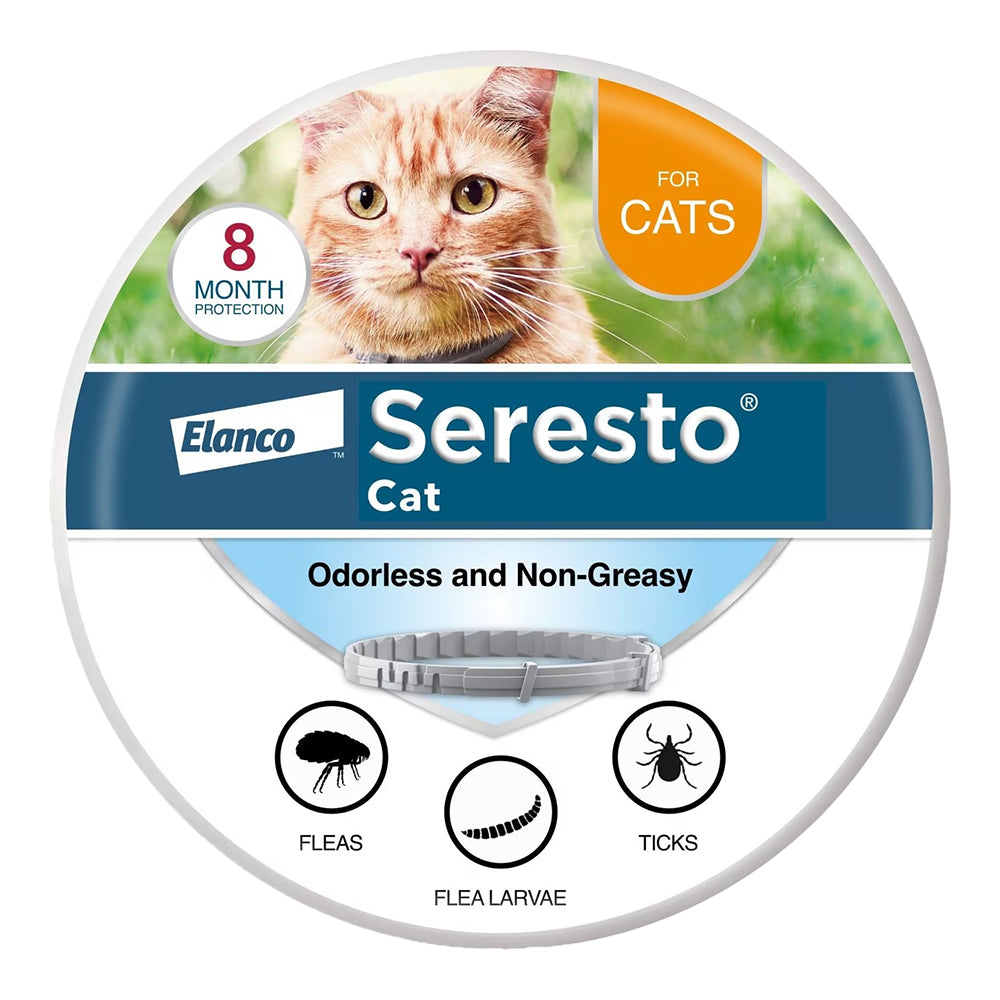
Elanco Seresto Flea & Tick Treatment & Prevention Collar for Cats 8 Months Protection One Size
Professional Cat Flea Medicine: When to Upgrade Your Treatment ✅
Cat flea medicine prescribed by veterinarians offers the most reliable results for severe infestations. Professional cat flea medicine includes:
Prescription Cat Flea Medicine Options:
-
Topical cat flea medicine: Monthly spot-on treatments
-
Oral cat flea medicine: Fast-acting pills
-
Injectable cat flea medicine: Long-lasting protection
Why Choose Professional Cat Flea Medicine:
-
Veterinary-grade cat flea medicine eliminates fleas completely
-
Professionally tested for feline safety
-
Long-term effects (3–8 months)
When to Consider Cat Flea Medicine:
-
OTC treatments failed after 2 weeks
-
Multiple pets affected
-
Cat has flea allergy dermatitis
- Severe infestation at home
Veterinary-Approved Flea Treatment Protocol ✅
First 24 Hours - Emergency Flea Treatment
-
Isolate and assess: Determine infestation severity
-
Begin flea treatment: Start with flea combing or baths
-
Document symptoms: Note any scratching, redness, hair loss, or restlessness - these details help your vet to choose the right treatment
- Contact a veterinarian: Seek help immedietely if allergy signs appear
Climate-Specific Flea Treatment Tips
Different weather conditions affect how fleas behave. Here’s how to adjust your flea treatment plan based on your region:
-
Warm Climates: Fleas stay active all year long. Use monthly flea treatment and cat flea medicine without breaks.
-
Cold Climates: Fleas move indoors when the temperature drops. Focus on indoor flea treatment, such as using sprays and regularly vacuuming.
- Humid Areas: These are flea breeding hotspots. Step up your environmental flea treatment—treat carpets, furniture, and outdoor spaces often.
Tools to Remove Fleas and Ticks
Sometimes fleas bring unwanted guests—ticks. Special tools can make removal safer and easier:
1. ZenPet Tick Tornado Tick Remover Tool – safe, quick tick removal.
Why Pet Parents Choose This:
-
ZenPet Tick Tornado Tick Remover Tool removes ticks safely without squeezing.
-
Detaches the whole tick with a simple twist.
- Easy hook, twist, and lift action.

ZenPet Tick Tornado Tick Remover Tool
2. Tick Twister Small & Large Tick Remover Set Pack – convenient for ticks of all sizes.
Why Pet Parents Choose This:
- Quick and painless removal
- Durable, recyclable plastic
-
Tick Twister is portable and easy to carry
Tip: Never use your fingers to yank or squish a tick off your cat. Seriously, don’t do it. You’ll probably just snap the head off and leave it stuck under the skin. Then, you’re stuck with a whole mess of infection drama.

Tick Twister Small & Large Tick Remover Set Pack
Medication-Based Treatments: Best flea treatment for cats
Let’s talk flea meds, because sometimes those little suckers just won’t quit. If things are out of control, you might need to get meds from your vet.
-
Spot-On Treatments: Applied to the back of the neck, these work for weeks. You can try the Adams Flea & Tick Spot On For Cats, which is a long-lasting and the best flea treatment for cats.
Why Pet Parents Choose Adams Flea & Tick Spot On For Cats:
-
-
Kills fleas, ticks, eggs, and larvae for 30 days.
-
Dual-action formula stops future infestations.
- Works instantly on contact.
-
Kills fleas, ticks, eggs, and larvae for 30 days.

Adams Plus Flea & Tick 3 Month Supply Spot On for Cats & Kittens Over 2.5-lb
Can Indoor Cats Get Fleas?
Yes. Even indoor cats can get fleas.
Fleas can enter your home on clothing, shoes, visitors, other pets, or through open doors and windows. Once inside, they quickly reproduce in carpets, bedding, and furniture.
For this reason, flea prevention isn't only for outdoor cats. Monthly preventive treatments help protect indoor cats throughout the year, especially in warm or humid regions where fleas remain active.
What to Do If a Kitten Has Fleas?
Flea comb kittens under 8 weeks instead of using medicated treatments. Their small size and immature liver make them far more vulnerable to blood loss and product toxicity than adult cats.
- Under 4 weeks: Comb twice daily; no shampoos or sprays.
- 4-8 weeks: Keep combing; some vet-prescribed oral treatments are approved earlier, only under veterinary guidance.
- 8+ weeks: Most spot-ons and orals become label-approved, provided the kitten also meets the minimum weight (often 1.5- 2 lbs).
Watch for pale gums or unusual tiredness, as heavy flea burdens can cause anemia in kittens fast. Always match a product's age and weight requirement, not just age, before applying anything beyond a comb.
Home Remedies for Cat Fleas: Do’s and Don’ts
Do’s:
- Comb your cat on the regular and keep your house clean. Fleas are lazy, but they love a cozy couch.
- Wash all the bedding and anything soft your cat touches.
-
Stick with natural sprays or shampoos that your vet actually gives a thumbs up to.
Don’ts:
- Essential oils like tea tree or eucalyptus? A big no. Those can be toxic for cats. Don’t risk it.
- Dog flea stuff isn’t for cats. There’s a reason the labels say so.
-
And don’t freak out. Flea infestations are gross, but they’re totally beatable if you just keep at it.
How Long Does It Take to Get Rid of Fleas?
Most infestations take 4 to 8 weeks to fully clear, not one treatment, because fleas exist in four stages and only adults die right away.
- Adults (5% of the population): Die within 24-48 hours of treatment.
- Eggs (50%): Fall into carpets and bedding, hatch in 2-12 days.
- Larvae (35%): Burrow into fibers, feed for 5-20 days.
- Pupae (10%): Can stay dormant up to a year, resistant to sprays and vacuuming.
| Time | What Happens |
| Day 1 | Adult fleas begin dying after treatment starts. |
| Week 1 | Scratching and irritation usually begin to decrease. |
| Weeks 2–4 | New fleas may emerge from previously laid eggs. Continue treatment. |
| Weeks 4–8 | Most infestations are fully controlled when treatment and cleaning are maintained consistently. |
Can Humans Get Fleas From Cats?
Cats cannot permanently pass fleas to humans, but fleas will bite people if given the opportunity. These bites often appear around the ankles and legs and can cause itching or irritation.
While fleas prefer animal hosts, treating your cat alone isn't enough. Eliminating fleas from your home is equally important to prevent bites and stop the infestation from continuing.
When Should You Take a Cat With Fleas to the Vet?
See a vet the same day if you notice pale gums, weakness, or lethargy alongside fleas. These can signal flea-related anemia, an emergency in kittens and small or senior cats.
| Situation | Why it needs a vet |
| Kittens under 8 weeks with visible fleas | Too young for most medications |
| Heavy infestation | Home remedies alone often can't keep up |
| Pale gums, weakness, or lethargy | Possible anemia |
| Scratching hard enough to break skin | Risk of infection |
| Red, scabby, thickened skin | Possible flea allergy dermatitis |
| No improvement after 2 weeks of OTC treatment | Fleas may be resistant or the infestation more advanced |
Conclusion
Knowing what to do when cat has fleas can save your cat from discomfort and your home from infestation. A combined approach of natural remedies, proper grooming, preventive products, and environmental cleaning ensures fleas are dealt with effectively. Regular monitoring, preventive collars, and spot-on treatments can keep your cat happy, healthy, and flea-free.


