


Dementia in cats, also called feline cognitive dysfunction, can cause confusion, nighttime vocalization, litter box accidents, and behavior changes, but early care can slow its progress. Along with veterinary treatment, brain-supporting supplements, calming aids, and enrichment toys can help keep senior cats comfortable, engaged, and mentally active.
Feline dementia, also known as feline cognitive dysfunction, is a progressive brain condition that affects memory, awareness, and behavior in senior cats. It can be heartbreaking to watch, especially when your once-confident companion starts getting lost at home, crying at night, or forgetting familiar routines.
Many pet parents mistake these changes for normal aging, which can delay the care their cat needs. Recognizing the early signs and providing timely veterinary support, a stable routine, and brain-friendly nutrition can help slow cognitive decline and improve your senior cat's comfort, confidence, and overall quality of life.
|
Veterinary Disclaimer: This article is for informational purposes only and does not constitute veterinary advice. Always consult a licensed veterinarian before changing your pet's diet, starting supplements, or treating health conditions. |
What Is Dementia in Cats?
Feline Cognitive Dysfunction is a neurological condition caused by age-related changes in the brain. It's the cat equivalent of Alzheimer's disease in humans. Brain cells deteriorate, proteins accumulate abnormally, and the cat's ability to process information, recognize surroundings, and regulate behavior gradually declines.
FCD is progressive, meaning it worsens over time, but its pace varies from cat to cat.
Dementia vs. Normal Aging in Cats
Not every behavioral change in a senior cat signals dementia. A 12-year-old cat sleeping more or playing less is normal. The difference is in pattern and severity.
| Normal Aging | Feline Dementia |
| Sleeping more than usual | Sleeping all day and awake or confused at night |
| Less interest in play | Staring blankly at walls or corners |
| Moving more slowly | Getting lost in familiar spaces |
| Occasional grumpiness | Sudden anxiety or aggression |
| Grooming less | Forgetting where the litter box is |
If you're seeing multiple changes happen together, especially disorientation or nighttime vocalization, it's time to talk to your vet.
Common Symptoms of Dementia in Cats

These are the feline dementia symptoms most cat owners notice first:
1. Disorientation and Confusion
Your cat may wander into a room and freeze, appearing unsure of why she's there. Some cats stare at walls, get stuck in corners, or fail to recognize people they've lived with for years.
2. Changes in Sleep Patterns
A classic sign of cognitive dysfunction in cats is a reversed sleep cycle. Your cat sleeps heavily during the day and becomes restless, agitated, or vocal at night, often during late-night or early-morning hours.
3. Excessive Vocalization
Unexplained yowling, especially at night, is one of the most distressing symptoms for pet parents. It's not attention-seeking. It's disorienting; your cat literally doesn't know where she is or what's happening.
4. Litter Box Accidents
A cat that's been perfectly litter trained for 10 years suddenly going outside the box is a red flag. With FCD, cats may forget the box's location entirely, or forget they need to use it until it's too late.
5. Reduced Social Interaction
Senior cat behavior changes often include withdrawal. A previously affectionate cat may stop seeking contact, hide more, or seem indifferent to family members she once loved.
|
KWIK TIP: Keep a simple log of these behaviors - dates, times, and how often. Vets find behavioral timelines incredibly useful when diagnosing cognitive decline. |
What Causes Dementia in Cats?
Dementia in cats usually develops because of age-related changes in the brain, but certain medical conditions and long-term damage to brain cells can also contribute to cognitive decline.
1. Age-Related Brain Changes
The biggest driver is simply time. As cats age, neurons deteriorate, and brain tissue volume decreases. The brain's communication pathways become less efficient, leading to cognitive decline, much like what happens in aging humans.
2. Oxidative Stress and Cognitive Decline
Free radicals, unstable molecules produced during normal metabolism, damage brain cells over time. In younger cats, antioxidants neutralize this damage efficiently. In older cats, that defense system weakens. This oxidative stress is a key contributor to cat memory loss and FCD.
3. Other Contributing Health Factors
Conditions like high blood pressure, hyperthyroidism, kidney disease, and diabetes can accelerate or mimic cognitive decline. This is why a proper vet workup matters; sometimes, what looks like dementia is actually a treatable medical condition.
How Veterinarians Diagnose Dementia in Cats?
There's no single test for FCD. Vets piece together the picture using:
- Behavioral history - Your observations at home matter enormously here.
- Physical and neurological exam - Checking reflexes, eye response, and physical condition.
- Blood and urine panels - Ruling out thyroid issues, kidney disease, or infection.
- Blood pressure measurement - High BP alone can cause confusion and disorientation.
- Imaging (in some cases) - MRI or CT scans to rule out tumors or brain lesions.
FCD is largely a diagnosis of exclusion; therefore, other causes must be ruled out first.
Treatment Options for Dementia in Cats
Treatment for dementia in cats focuses on managing symptoms, reducing anxiety, and helping senior cats stay comfortable and mentally engaged for as long as possible.
Medications and Veterinary Support
There's no cure for feline dementia, but your vet may recommend:
- Anti-anxiety medications: For cats with severe nighttime distress or aggression.
- Melatonin: Sometimes recommended to help regulate disrupted sleep cycles.
Always follow your vet's lead, consistent with AVMA (American Veterinary Medical Association) guidance, self-treating cognitive dysfunction in cats can make things worse.
Nutritional Management
Omega-3 fatty acids (DHA and EPA) support brain cell membrane health; targeted nutritional blends containing DHA/EPA, antioxidants, and other brain-supporting nutrients have shown promise in slowing age-related cognitive decline in cats, in line with nutrition guidance from AAFCO (Association of American Feed Control Officials).
Omega-3 Fish Oil Supplements
- Grizzly Wild Alaskan Salmon Oil Plus (32 oz) delivers high concentrations of EPA and DHA from wild-caught, sustainably harvested Alaskan fish. It supports nerve-based functions, including cognition, immune health, and vision, all of which are critical in aging cats.

Grizzly Wild Alaskan Salmon Oil Plus Food Supplement for Dogs & Cats 32-oz
- Zesty Paws Wild Alaskan Omega-3 Blend combines pollock and salmon oil for a palatable, cat-approved supplement that supports brain and coat health across all life stages.

Zesty Paws Wild Alaskan Omega-3 Blend Pollock + Salmon Oil Skin & Coat Supplement for Dogs & Cats 32-oz
Stress and Anxiety Support
Dementia cats often live in a constant low-grade state of anxiety. VetriScience Composure Calming Chews are fast-acting and designed for daily emotional health support, especially useful during routine disruptions, loud events, or vet visits that can overwhelm a cognitively impaired cat.
Environmental Enrichment and Mental Stimulation
One of the most underrated parts of managing feline dementia is keeping the brain active. Just like physical therapy helps the body after an injury, mental stimulation with cat toys helps slow the progression of cognitive dysfunction in cats.
These tools keep aging cats active, curious, and mentally stimulated without overwhelming them.
- Pioneer Pet SmartCat Peek-and-Play Toy Box: This wooden toy box encourages cats' natural predatory behaviors, making it ideal for senior cats who still have hunting instincts but lower energy levels.

Pioneer Pet SmartCat Peek-and-Play Cat Toy Box
- Petstages Grass Patch Hunting Box Cat Scratcher Toy: Made from lightweight cardboard with a faux grass surface, this toy taps into your cat's instinct to sniff, paw, and hunt. Three jingle balls hidden inside give your cat something to bat and chase at her own pace.
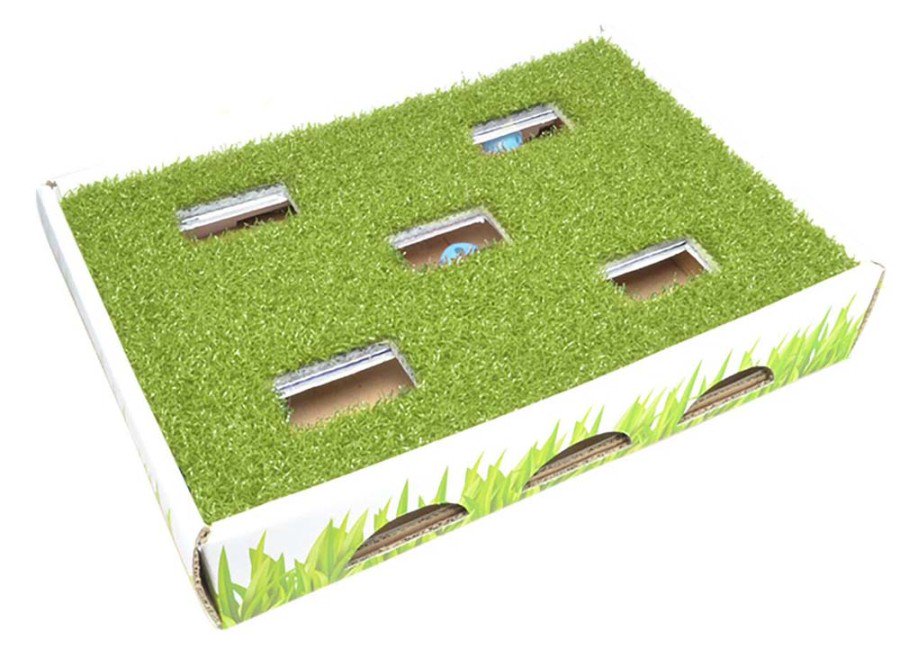
Petstages Grass Patch Hunting Box Cat Scratcher Toy
- Petstages Tower of Tracks Cat Toy: Three levels, six brightly colored balls, and a non-slip base make this one of the most engaging independent toys for aging cats. The balls spin and roll as your cat swats them, activating hunting instincts and providing sustained mental stimulation without requiring your direct involvement.

Petstages Tower of Tracks Cat Toy Orange
|
KWIK TIP: Rotate these toys every few days. Cats with cognitive decline respond better to familiar toys reintroduced with novelty than to constantly brand-new stimuli. |
Caring for a Cat With Dementia at Home
Home care is just as important as veterinary treatment for cats with dementia.
1. Establishing a Consistent Routine
Predictability is everything for a cat with cognitive dysfunction. Feed at the same time, keep furniture in the same place, and stick to the same daily schedule. Even minor changes can cause significant distress in cats with FCD.
2. Making Your Home More Accessible
- Add a second litter box in a different room.
- Use nightlights - disorientation worsens in the dark.
- Place food and water near sleeping areas so your cat doesn't have to travel far.
- Block off stairs if your cat is at risk of falling.
3. Reducing Stress and Anxiety
Minimize loud gatherings, sudden schedule changes, and new pets or visitors where possible. Calming supplements, pheromone diffusers (like Feliway), and enrichment toys all help reduce baseline anxiety in aging cats.
Can Dementia in Cats Be Prevented?
There's no guaranteed prevention, but lifelong brain health habits reduce risk:
- Annual vet checkups (twice yearly for cats over 10) catch early signs before they progress.
- Omega-3-rich diets from middle age onward support long-term brain health.
- Regular play and mental stimulation, even 10 minutes of interactive play daily, keep neural pathways active.
- Weight management may reduce the risk of cognitive decline.
When to Contact Your Veterinarian?
Don't wait for things to get severe. Contact your vet if your cat:
- Starts vocalizing loudly at night with no obvious cause.
- Seems genuinely lost in your home.
- Has repeated litter box accidents without a physical explanation.
- Shows sudden aggression or personality changes.
- Stop grooming or eating normally.
These signs, especially in combination, warrant a prompt appointment, not a "wait and see."
Conclusion
Dementia in cats is a real and growing concern as our feline companions live longer than ever. Recognizing feline dementia symptoms early gives you the most options, both medically and in terms of quality of life. With the right vet partnership, a stable home environment, and targeted nutritional support, many cats with cognitive dysfunction continue to live comfortably for years.
Senior cat behavior changes don't have to be a mystery. If something feels off, trust your instincts, as you know your cat better than anyone. Start with a vet visit, build a consistent routine, and explore the right supporting cat supplies for your cat's stage of life.


